
How Do I Buy Used Furniture Without Bringing Home Pests or Odors?
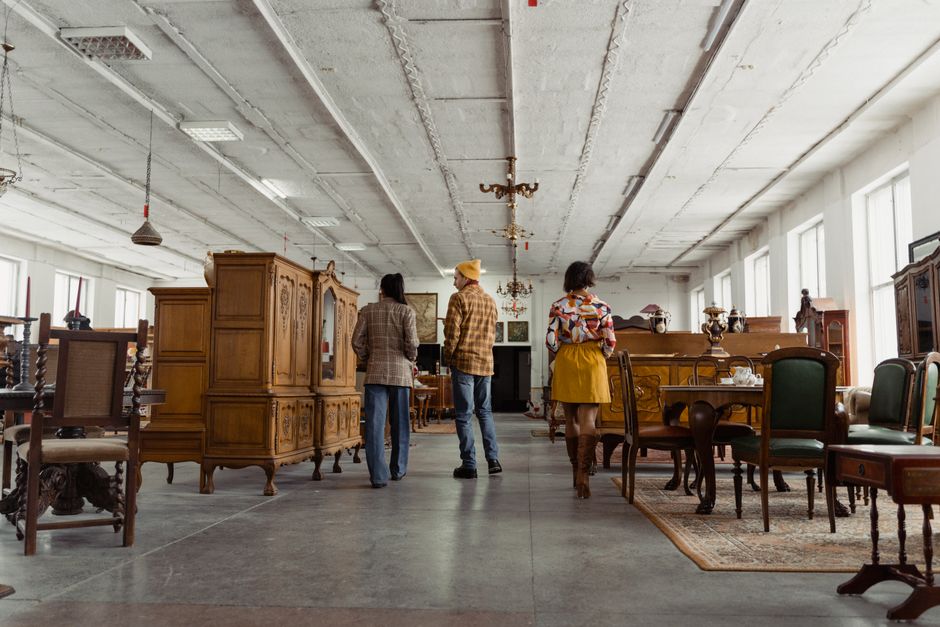
Inspect used furniture before payment and before it crosses your threshold: examine seams, joints, drawers, backing, and screw holes for pest evidence; reject pieces with visible mold or persistent musty odor; verify that dressers are not recalled and can be anchored. Then clean hard surfaces with water and detergent, follow product labels for absorbent materials, and keep a suspicious item out of living areas.
The puzzle is that secondhand furniture can look immaculate precisely where a buyer looks first. The relevant evidence often sits where convenience stops: beneath cushions, along a drawer edge, behind a thin backer board, or inside a screw hole. A disciplined inspection is therefore cheaper than treating a problem after transport, even when the item itself costs very little.
How can I tell whether used upholstered furniture has bed bugs?
You can tell only by inspecting the hiding places and evidence, not by judging the fabric's general cleanliness or identifying one suspicious insect at a glance. The Centers for Disease Control and Prevention describes bed bugs as reddish-brown, wingless, flat insects measuring 1 to 7 mm and identifies shed exoskeletons, live insects, rusty-colored blood spots, and a sweet musty odor as evidence of an infestation.
For a sofa or armchair, inspect the seams first, then the folds beneath removable cushions and any piping, skirt, zipper, or underside. The University of Minnesota Extension directs buyers to pay special attention to seams on upholstered chairs and sofas. This is not ceremonial thoroughness: bed bugs spread by hiding in seams and folds of furniture, bedding, luggage, and folded clothing.
Then turn to the less obvious architecture. Check the legs, underside, frame joints, staples, and any tear in the dust cover. If cushions can be removed without damaging the item, inspect the edges and crevices underneath. Do not rely on bites as proof. University of Minnesota Extension reports that 76% of specimens submitted for identification were not bed bugs. Suspicion is a reason to pause; evidence is a reason not to buy.
| Inspection area | What to look for | Decision |
|---|---|---|
| Seams, folds, and cushion edges | Live insects, shed exoskeletons, rusty-colored spots, or a sweet musty odor | Do not bring the item home |
| Underside, frame, and joints | Evidence in cracks, staples, screw holes, or concealed edges | Do not buy; the inspection has found a risk, not a cosmetic flaw |
| Surface fabric only | No evidence in the visible area alone | Continue; this does not clear the hidden areas |
The EPA's instruction is unusually plain: check secondhand furniture, beds, and couches for signs of bed bug infestation before bringing them home. That timing matters. Bed bugs can move into a home on furniture and can survive for months to a year without feeding, so waiting to see whether a problem disappears is not a sensible inspection method.
What should I check before buying a used sofa or dresser?
Check pest hiding places, moisture or mold evidence, structural stability, and recall status before buying a used sofa or dresser. The order matters: first decide whether the item should enter your home at all; only then decide whether its finish, price, or cleaning needs are acceptable.
For hard furniture, inspect every edge, corner, overhang, molding detail, gap, backer-board seam, screw hole, drawer, and drawer edge. This is the University of Minnesota Extension's practical map for examining used furniture. Remove drawers where possible and examine all sides rather than treating the front face as the whole object. Tables and drawers can also harbor bed bugs when they came from an infested bedroom or another infested area.
Next, assess water and mold risk. The U.S. Environmental Protection Agency states that mold can grow on wood, carpet, and furniture that remain wet for more than 24 hours. Visible mold or a musty smell changes the calculation because absorbent materials and unfinished wood cannot be treated as though they were a sealed tabletop. Public guidance does not offer a universal odor-removal threshold for secondhand furniture; a persistent musty odor should therefore be treated as unresolved evidence of a moisture history, not a minor inconvenience to perfume away.
A dresser has an additional safety test. Check its make and model against recall records, and confirm that it can be anchored to a wall. The U.S. Consumer Product Safety Commission warned that recalled IKEA chests and dressers are unstable when unanchored and can create tip-over and entrapment hazards. The issue is not aesthetic wear. It is whether the furniture can remain stable in the home where it will be used.
Some questions cannot be solved by an inspection alone. The supplied public sources do not provide a test for every unsafe material or prior chemical treatment in an older piece. Do not invent certainty from appearance. If the item's history, odor, condition, or material raises a concern that the available information cannot resolve, the budget-conscious choice is to leave it behind.
Can thrift-store furniture bring roaches or other pests into my home?
Thrift-store furniture can bring pests into a home, and the supplied sources specifically establish used furniture as a route for bed bugs; they do not establish a comparable inspection standard for roaches. That distinction matters because a useful checklist separates documented risk from confident-sounding guesswork.
For bed bugs, the evidence is direct. The EPA says they can travel from an infested location on furniture, bedding, luggage, boxes, and clothing. University of Minnesota Extension likewise states that bed bugs can enter homes in used clothing, furniture, and bedding, and advises checking all used or rented furniture before purchase or use. Avoid furniture found at curbs or behind businesses; the Extension explicitly advises against bringing in those beds and furniture items.
For other pests, use the same disciplined decision rule without pretending it is a diagnosis: inspect all accessible voids before payment, keep the piece out of sleeping and living areas until cleaning is complete, and reject an item when its condition prevents a credible inspection. A closed drawer, attached backing, or dense upholstery is not proof of a problem. It is a limit on what can be verified.
Cleaning should follow the material rather than a one-size-fits-all ritual. The EPA recommends cleaning hard, non-absorbent surfaces first with water and detergent; disinfectants and sanitizers work poorly when applied to an uncleaned surface. It also cautions that many disinfectants are not intended for absorbent materials such as fabric or unfinished wood. Read the product label before using it, increase ventilation, and dry the item thoroughly. Never mix bleach or other cleaning chemicals, because the EPA warns that doing so can create toxic vapors.
The final principle is blunt: transport is part of the purchase. If the item cannot pass a thorough inspection, cannot be cleaned according to its material and label directions, or cannot be safely installed once home, its sticker price is irrelevant. The lowest-cost outcome is often refusing the problem before it enters the house.
Frequently Asked Questions
How do I clean and disinfect secondhand furniture safely?
Start by cleaning hard, non-absorbent surfaces with water and detergent. The EPA states that disinfectants and sanitizers work poorly on surfaces that have not first been cleaned, and many are not intended for fabrics or unfinished wood. Follow the product label, ventilate and dry the item thoroughly, and never mix bleach with other cleaning chemicals.
Is it safe to buy a used mattress, couch, or armchair?
It is only a reasonable purchase after a close inspection finds no evidence of bed bugs, mold, moisture damage, or severe odor. The EPA specifically tells buyers to check secondhand furniture, beds, and couches before bringing them home, while the University of Minnesota Extension advises against furniture found on the street. A confirmed pest problem calls for trained professional help rather than a casual home remedy.
Which used furniture items are worth buying and which should I skip?
A hard-surface piece with accessible joints, drawers, and backing is easier to inspect than heavily upholstered furniture with many folds and concealed spaces. Skip curbside beds, mattresses, box springs, and bed frames, as advised by the University of Minnesota Extension. Also walk away from any dresser that is recalled, cannot be anchored, or has unresolved structural instability.
Sources
- U.S. Environmental Protection Agency: Protecting Your Home from Bed Bugs
- Centers for Disease Control and Prevention: About Bed Bugs
- University of Minnesota Extension: Bed Bugs
- University of Minnesota Extension: Bed Bug Prevention and Control in the Home
- U.S. Environmental Protection Agency: Flood Cleanup and Indoor Air
- U.S. Consumer Product Safety Commission: IKEA MALM and Other Dresser Recall